Heavy Item Storage: Protecting Chilled Goods and Event Equipment in Saudi Arabia
Loading and unloading heavy items safely is only half the job. The other half is deciding where those items go once they’re off the truck, and in 2026 that question matters more than ever for businesses moving perishables, machinery, or event equipment across Saudi Arabia. A wrong storage choice can undo hours of careful lifting in a single afternoon of heat damage or spoilage.
This article covers how heavy item storage decisions should follow logistics planning, with a close look at chilled storage for temperature-sensitive goods and dedicated space for events and exhibitions.
Why Storage Choice Follows Lifting, Not the Other Way Around
Teams that handle heavy loading and unloading jobs know that the lift itself is rarely the riskiest part. The riskiest part is what happens in the hours after delivery, when goods sit waiting for the right storage environment.
Perishable stock left on a loading dock in Saudi Arabia’s midday heat can lose quality within 30 to 60 minutes. Fragile exhibition displays left in an uncontrolled warehouse corner can warp or collect dust before an event even opens. Planning the destination before the truck arrives is the detail most teams skip.
Chilled Storage for Temperature-Sensitive Heavy Loads
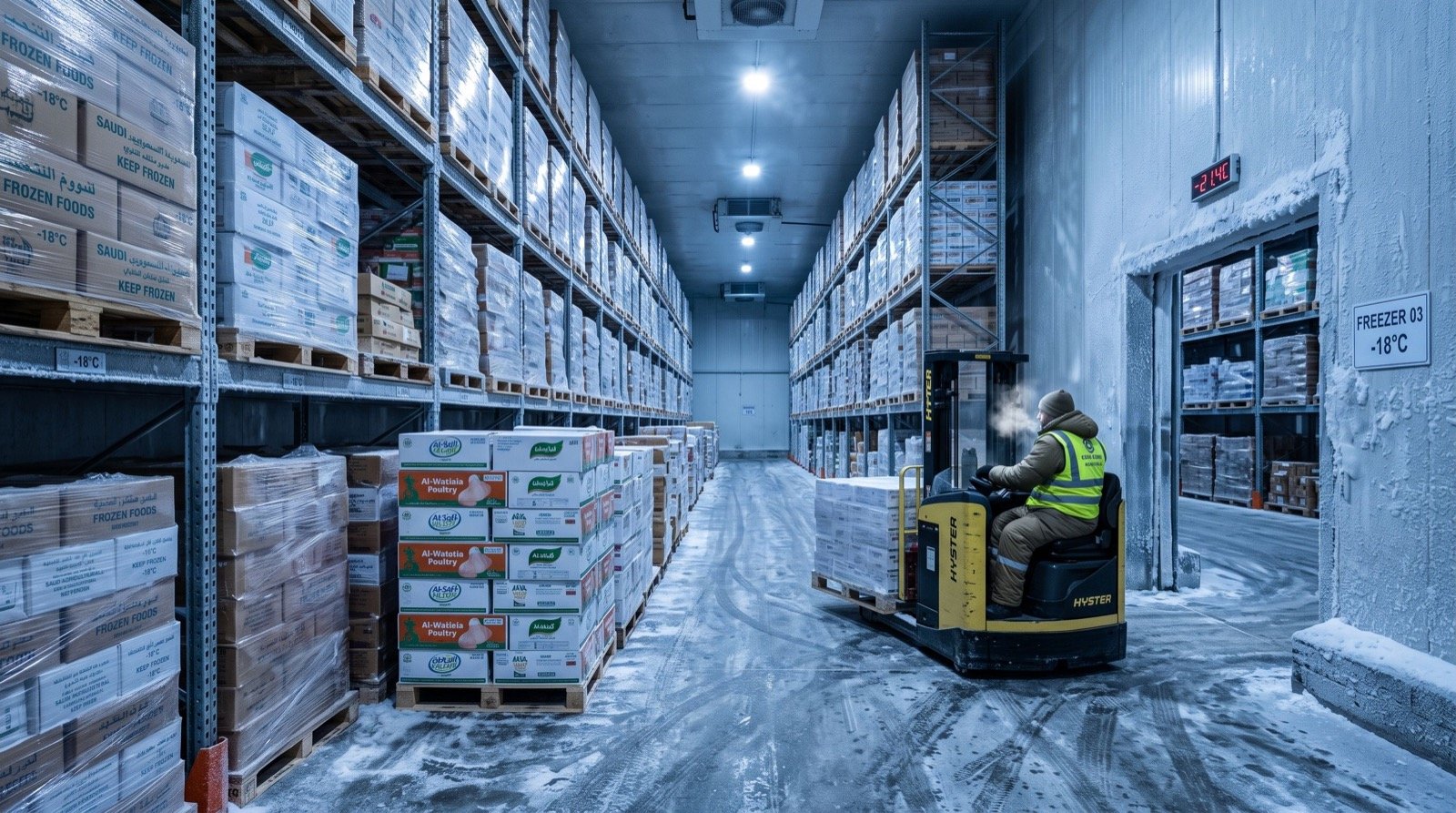
Businesses moving refrigerated inventory, pharmaceuticals, or catering supplies need a facility built for the job, not a converted warehouse corner with a portable air conditioner. Chilled Storage in Riyadh maintains consistent temperatures with backup power and monitoring, which matters because even a short outage can spoil an entire pallet of chilled goods.
Cold chain reliability is not just good practice — it is a safety requirement. The Saudi Food and Drug Authority sets strict guidelines for temperature control during storage and transport of perishable and pharmaceutical products, and facilities that fail to maintain the cold chain risk both spoiled stock and regulatory penalties.
Storage for Events and Exhibitions
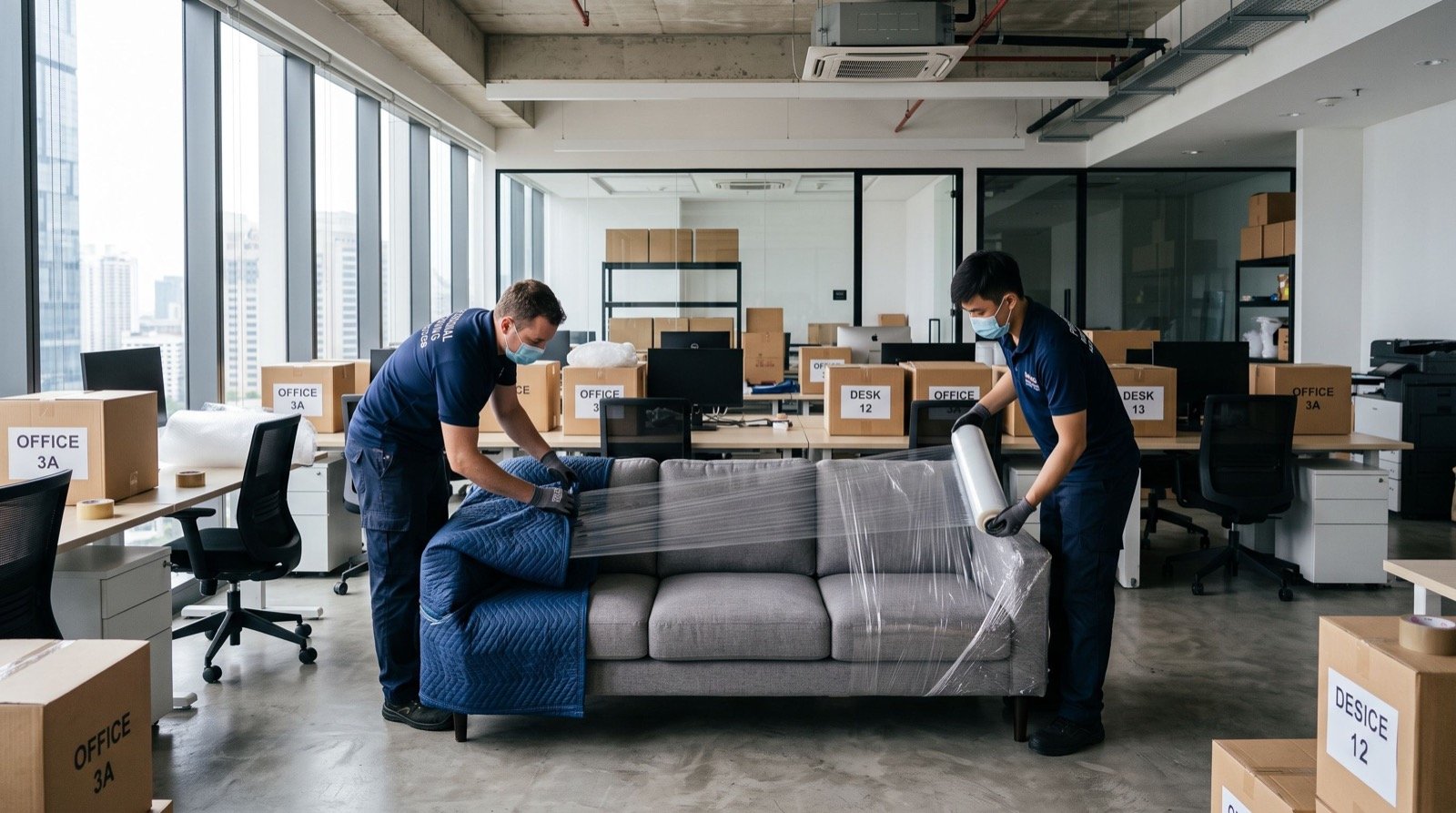
Event organizers face a different but equally demanding challenge: large, often fragile equipment that needs to move in and out on a tight schedule, then sit safely between bookings. Stage rigging, display panels, and booth furniture are heavy, awkward to lift, and expensive to replace if damaged.
Storage for Event & Exhibition equipment is designed around that reality, offering secure, easy-access space so crews can load out quickly after one event and prepare for the next without equipment sitting exposed in a yard or a shared warehouse aisle.
Lessons From Heavy Item Handling
If you have ever coordinated a heavy item move, you know the handling plan matters as much as the muscle. Our detailed guide on trusted professionals handling heavy-item loading and unloading in Dubai covers the equipment, crew sizing, and sequencing that keeps large or fragile items safe from dock to destination — the same principles apply whether the final stop is a warehouse in Dubai or a chilled facility in Riyadh.
Common Mistakes That Damage Heavy or Chilled Loads
- Leaving perishables on an open dock during loading breaks
- Choosing the cheapest storage option without checking backup power
- Stacking event equipment without padding between heavy panels
- Skipping a pre-storage inspection, so damage goes unnoticed until the next event
- Booking storage too far from the venue or warehouse, adding unnecessary transit time
Comparing Storage Needs by Cargo Type
| Cargo Type | Main Risk | Storage Priority |
|---|---|---|
| Chilled or perishable goods | Temperature loss, spoilage | Continuous refrigeration with backup power |
| Event and exhibition gear | Physical damage, dust | Secure space with easy load-in/load-out access |
| Heavy machinery or spare equipment | Corrosion, misplacement | Dry, organized, inventory-tracked storage |
| General ambient goods | Humidity swings | Climate-stable, non-chilled space |
How Do You Know If You Need Chilled Storage or Standard Storage?
Ask one simple question: will the product’s quality degrade noticeably if the temperature rises above room level for even a short time? If yes — think dairy, produce, certain pharmaceuticals, or floral displays for an event — chilled storage is non-negotiable. If the items are dry goods, furniture, or hardware, standard ambient space is usually sufficient and considerably cheaper.
- Identify whether the cargo is perishable, fragile, or purely mechanical
- Check the facility’s backup power and monitoring for chilled units
- Confirm access hours match your event or delivery schedule
- Request a short-term trial period before committing to a long lease
Frequently Asked Questions
What temperature range does chilled storage in Riyadh typically maintain?
Most commercial chilled storage facilities hold between 2°C and 8°C for general perishables, with separate frozen zones available for products that need sub-zero conditions.
How far in advance should I book event equipment storage?
Book at least one to two weeks ahead of a major event, especially during Saudi Arabia’s busy exhibition seasons, since secure short-term space fills quickly around large conferences and trade shows.
Can heavy machinery be stored alongside chilled goods?
No, they require separate zones. Machinery storage focuses on dryness and corrosion prevention, while chilled storage focuses on temperature stability, and mixing the two risks damaging both.
Do I need insurance for goods in chilled or event storage?
Yes. Even well-run facilities recommend separate cargo insurance, since standard storage contracts typically cap liability well below the replacement value of commercial inventory or event equipment.
Equipment and Crew Considerations Before Storage
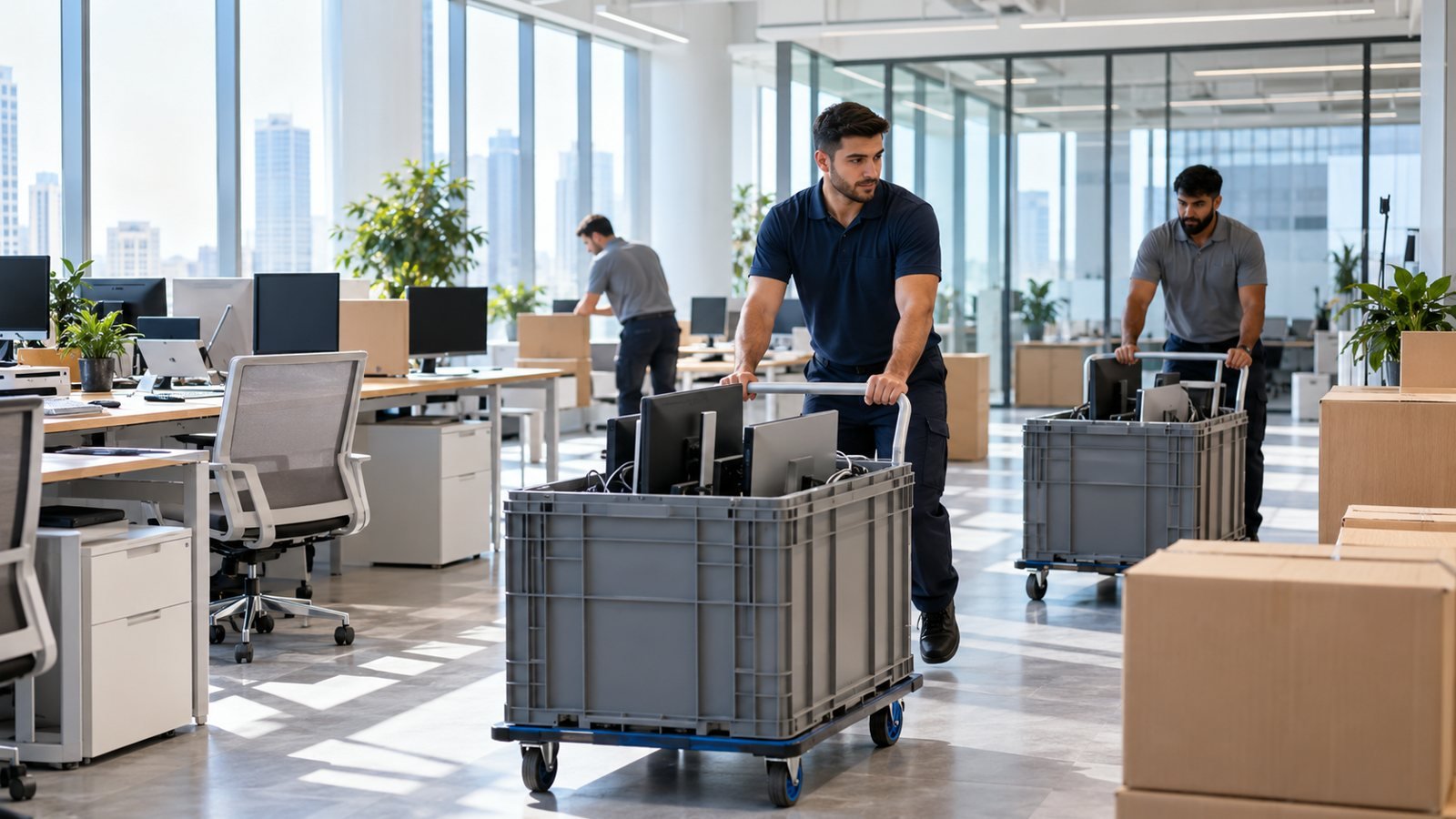
Storing a heavy item correctly starts before it ever reaches the facility door. The right lifting equipment, from pallet jacks to hydraulic lift gates, reduces the chance of damage during the final few meters of handling, which is often where the most preventable accidents happen.
Crew size matters just as much as equipment. A two-person team moving a commercial refrigeration unit or a heavy exhibition truss risks injury and dropped loads, while a properly sized crew with the right lifting gear completes the same job safely and faster.
- Match crew size to load weight and awkwardness, not just total volume
- Use proper dollies and ramps rather than manual carrying for anything over 50kg
- Pad corners and edges on event equipment before it goes into shared storage space
- Photograph condition before and after storage to settle any damage disputes quickly
Seasonal Demand and Storage Planning in Saudi Arabia
Demand for both chilled storage and event storage spikes at predictable times of year. Ramadan and the cooler winter exhibition season both push facility bookings higher, which means planning further ahead during these windows pays off.
Businesses that lock in chilled storage contracts or event space reservations a season early typically get better rates and more flexible access hours than those booking at the last minute during peak demand.
Final Thoughts
Heavy item storage in 2026 is no longer a one-size-fits-all decision. Whether you are protecting a chilled supply chain or safeguarding exhibition equipment between events, the right facility prevents the kind of damage that no amount of careful lifting can undo afterward. Plan the storage destination with the same care as the move itself, and the goods will arrive — and stay — in the condition you expect.