Best Money Apps 2026: 8 Tools to Budget, Save, and Invest
Your smartphone can now do almost everything a bank branch once did, and often better. Choosing the best money apps for your goals means you can budget, save, invest, and send cash from a single screen, usually for free. The challenge in 2026 is not finding an app; it is sorting the genuinely useful ones from the clutter.
This guide breaks the field into clear categories, compares the standouts, and helps you build a lean toolkit of two or three apps that cover everything without overwhelming you. Let us find the right fit for how you actually manage money.
How to Choose the Right Money App
The best app for you depends on your main goal. Someone drowning in subscriptions needs different tools than a first-time investor. Before downloading anything, decide which single problem you most want to solve this quarter.
Then weigh four practical factors: cost, security, ease of use, and how well it connects to your existing accounts. An app you find confusing will sit unused no matter how powerful it is, so simplicity often wins.
Non-negotiable features to demand
- Bank-level encryption and two-factor login.
- Clear, honest fee disclosure with no surprises.
- Reliable syncing with your bank and cards.
- A clean interface you will genuinely open each week.
The Best Money Apps by Category
Rather than crowning one winner, it helps to match categories to needs. Most people are well served by combining a budgeting app, a payment app, and an investing app. Here is how the leading options stack up in 2026.
| Category | Best For | Typical Cost |
|---|---|---|
| All-in-one payments | Sending money + spending + saving | Free, situational fees |
| Budgeting & tracking | Seeing where money goes | Free or small subscription |
| Automated saving | Set-and-forget savers | Free to low monthly fee |
| Beginner investing | Fractional shares, long-term growth | Low or zero commissions |
| Subscription cancelling | Cutting hidden recurring costs | Flat or percentage fee |
Payment and all-in-one apps
These handle transfers, debit spending, and basic saving in one place. If you regularly split bills or receive a paycheck, start here. A thorough Cash App guide can show you how to turn a simple payment app into a lightweight checking, savings, and investing hub with direct deposit.
Budgeting and tracking apps
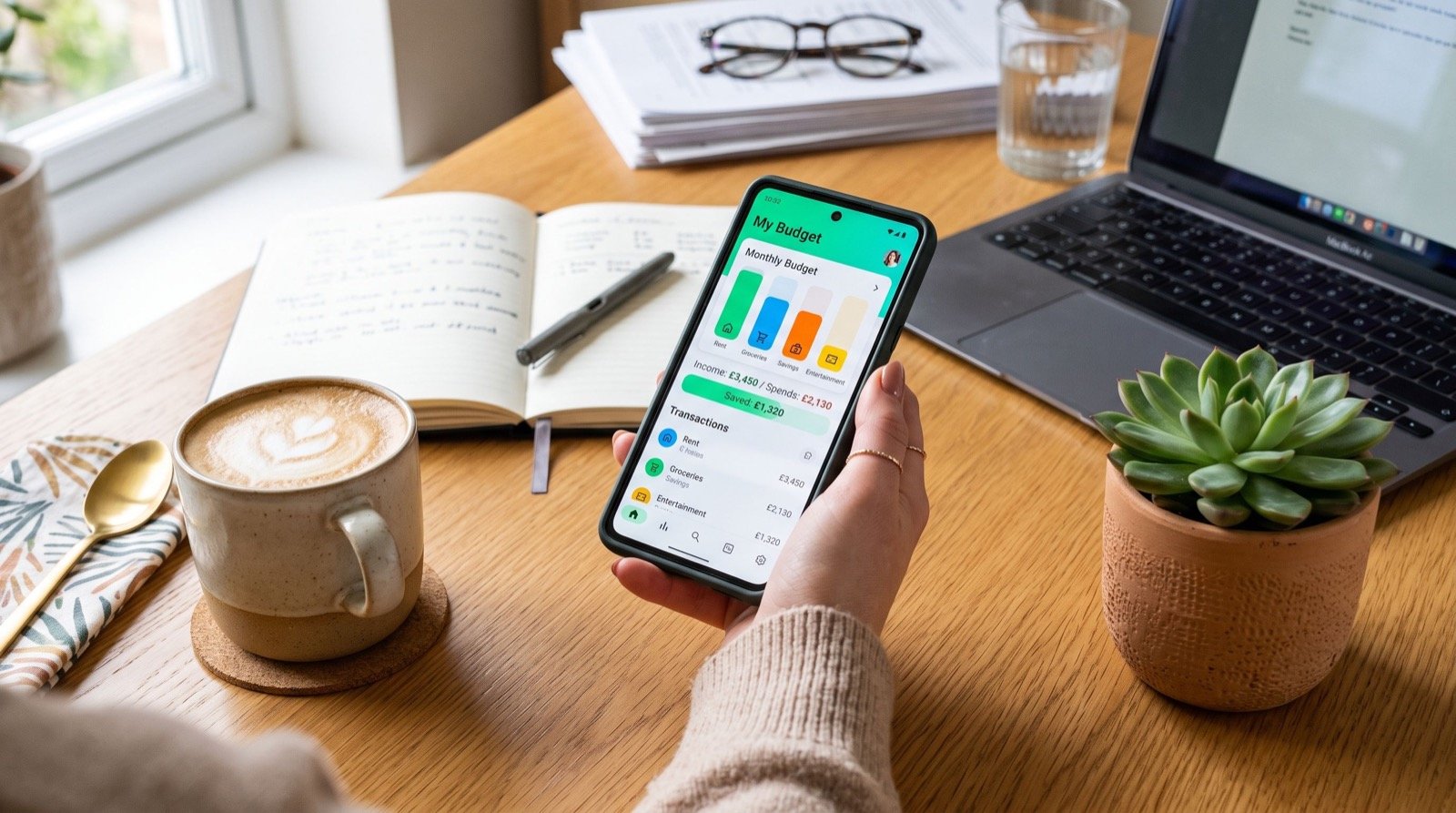
Budgeting apps connect to your accounts and categorize spending automatically. The best ones send alerts when you approach a limit and reveal patterns you would never spot in raw statements. For most households, this category delivers the fastest payoff.
Are Money Apps Safe to Use in 2026?
Security is the top concern, and reputable apps take it seriously. Leading platforms use bank-grade encryption, biometric logins, and read-only connections that never expose your banking password to the app itself.
Still, your habits matter most. Enable two-factor authentication everywhere, use a unique password per app, and review statements regularly. The U.S. Federal Deposit Insurance Corporation explains how to confirm your deposits sit at an FDIC-insured institution, which is a key check before you store meaningful cash in any app.
Red flags to avoid
- Apps that ask for your banking password directly.
- No clear company name, address, or support channel.
- Reviews mentioning locked funds and no response.
- Requests to pay upfront to “unlock” your own money.
Building Your Personal Money Toolkit
You do not need ten apps; you need the right three. Overloading your phone with overlapping tools leads to confusion and abandoned accounts. Aim for one app per core job and let them work together.
A simple, powerful stack looks like this: a payment app for everyday transfers, a budgeting app for awareness, and an investing app for growth. Rotate out anything you have not opened in a month. If you want a vetted shortlist, reviews of the best money apps can save you hours of trial and error.
A sample three-app stack
- Payments: send, receive, and spend with a debit card.
- Budgeting: track spending and catch leaks early.
- Investing: automate contributions to index funds.
How Money Apps Fit Into Your Wider Financial Plan
Apps are tools, not a strategy on their own. The technology works best when it supports clear goals you have already set, such as building an emergency fund, clearing debt, or investing for retirement. Decide the destination first, then let the apps drive you there automatically.
Think of your toolkit as a team with defined roles. Your payment app handles daily cash flow, your budgeting app provides visibility, and your investing app builds long-term wealth. When each tool has one clear job, you avoid the confusion that makes people give up on money management entirely.
Quarterly review checklist
- Confirm each app still earns its place on your phone.
- Check for new fees or changed terms.
- Update savings and investing amounts as income grows.
- Delete any app you have not opened in 90 days.
A short review every three months keeps your system lean and current. Fintech products evolve quickly, and a feature that was best-in-class last year may have been matched or beaten by a free alternative today. Staying curious pays off directly in lower fees and better tools.
Common Mistakes When Using Money Apps
The tools are powerful, but misuse undoes the benefits. Linking too many accounts, ignoring alerts, or chasing every new app wastes time and attention. Treat your toolkit like a tidy workshop, not a junk drawer.
Before connecting an app to sensitive accounts, verify the developer is legitimate. When a feature touches your core banking, stick with established, well-reviewed money apps and consult reputable service experts if anything feels off. A quick check beats recovering from a scam later. For broader comparisons of popular money apps, independent reviews keep you grounded in facts rather than hype.
Frequently Asked Questions
What are the best money apps for beginners?
Beginners do well with an all-in-one payment app for transfers and saving, paired with a simple budgeting app. Both are usually free, easy to learn, and cover the essentials without overwhelming you. Add an investing app once the basics feel comfortable.
Do money apps charge fees?
Many core features are free, but watch for situational fees such as instant transfers, premium subscriptions, or ATM withdrawals. Always read the fee page before linking an account, and choose free funding methods whenever possible.
Can I use more than one money app at once?
Absolutely, and most people should. Combining a payment app, a budgeting app, and an investing app lets each tool do what it does best. Just avoid overlap so you are not managing several apps that do the same job.
How do I keep my money apps secure?
Turn on two-factor authentication, set a unique password for each app, enable biometric login, and never share verification codes. Review your transactions weekly so you catch anything unusual early and can dispute it quickly.
Final Thoughts
The best money apps in 2026 put a full financial toolkit in your pocket, but only if you choose deliberately. Match each app to a clear goal, prioritize security, and keep your stack lean. Start with one well-reviewed app this week, build from there, and let technology handle the busywork while you focus on your goals.